How this guide got started
Plenty of guides sell intensity. I wanted to map out something you can actually do between work calls and tired days. No heroic before-and-after shots, just a plan for regular, achievable movement when the living room doubles as your gym.
What you’ll pick up about practical movement at home
- How to structure home workouts you’ll actually finish: You’ll see how to make sense of warm-ups, circuits, and rest days so that every session fits your own pace. There’s no mystique—just movement and structure that meets you where you are.
- Mobility that works for regular, inflexible people: Mobility isn’t stretching for the sake of it. It’s the difference between standing up pain-free or nursing a stiff back. I’ll show you routines for people who can’t (or won’t) touch their toes.
- Simple planning to reduce friction and increase consistency: Planning for the week sounds tedious—until it saves you from quitting after day three. Learn simple checklists that take the friction out of moving at home.
- Realistic progress and redefining what ‘better’ means: A lot of fitness advice talks about progress as if you’re an athlete. Here, the benchmark is: can you move, and do you feel a little better? That’s the kind of progress worth noticing.
Why I built this
I started this resource because most fitness advice pretends you have endless
motivation, a spotless schedule, and no old injuries. Reality checks are more useful
than pep talks. I wanted a way to help people move well at home, with what they
have, and know exactly what to expect.
What makes this resource different
What sets this resource apart: no pressure to impress, no gear buying lists, and no pretending that exercise erases stress. I collect honest advice and routines for real people with real obstacles.
Why this philosophy isn’t glamorous
The best routines are humble. They get done, even if nobody sees them. This guide is for people who want movement to fit their actual lives, not just their ambition.
Why this philosophy isn’t glamorous
If you want a parade for pushing too hard, you’re in the wrong place. My rule: fitness is just a pattern of showing up, adjusting when life changes, and skipping the shame spiral. The method is plain, the benefits are earned—not promised. Question everything, keep what helps.
It’s not about punishing yourself after a missed week. I built this for those who know tomorrow isn’t always a clean slate. Consistency matters more than perfection.
Nobody gets a gold star for pushing through pain and ignoring warning signs. Sustainable routines start with respecting your own limits, not someone else’s program.
Movement isn’t just about muscles. It’s also headspace, social connection, and energy for ordinary tasks. A routine should help with all three, not just looks.
Streaks are fragile. Missing a session is not a moral failing. I provide tools to restart, not guilt to pile on.
Every routine here can be tweaked or paused. I want you to listen to your body first—sometimes, that means doing less.
Adaptability wins
Everyone has different strengths and limitations. Advice only matters if you can use it right now, with what you’ve got.
Sustain the effort
The real test is not in the first week, but the tenth. Small, sustainable habits outlast big gestures. That’s what I value.
Consistency over drama
Show up for yourself, not for a leaderboard. Consistency, even at a low intensity, is more useful than all-or-nothing thinking.
What shapes this project
Fitness advice usually comes with a chorus of hype and a parade of promises. I went the other way: collect only the routines and ideas that survive a week of actual life—interruptions, bad sleep, weather, and all. The core values here aren’t about impressive numbers, but about routines that bend without breaking, advice you’d give your stubborn friend, and proof you can see in daily life, not just progress photos. I test everything against what feels achievable for regular adults in Norway, not what trends on social media. If something doesn’t work in a cluttered flat or after a week of overtime, I don’t recommend it. My hope: you’ll use these routines, not just read them, and maybe find a bit of relief from the guilt and confusion that usually comes with fitness advice. That’s the small, stubborn promise behind every plan here.
Practicality first
Everything I share needs to work for someone who doesn’t have a home gym, fancy gadgets, or extra time. The routines rely on bodyweight, ordinary space, and a willingness to start, even if imperfectly.
Evidence matters
Science is not about complicated language—it’s about using what’s been shown to
help. I check routines against research, then ask real people if it’s doable.
Only then does advice make the cut.
Sustainable routines
No lecture here about perfect consistency. I focus on what people can sustain
when life doesn’t cooperate. That means realistic expectations and encouragement
to restart, not shame.
Community input
This is a place for questions, not just answers. I encourage anyone using these
routines to adjust, question, and share what works—so everyone’s experience can
inform the next guide.
Who makes the advice (and who questions it)

Henrik Madsen, Movement Specialist
Mobility and injury adaptation
Veteran physical therapist. Known for making mobility work practical for adults with real schedules, not just gym-goers.

Anita Solberg, Routine Contributor
Weekly plans and motivation
Endurance runner turned reluctant home trainer. Shares strategies for carving out time, even when motivation drops.
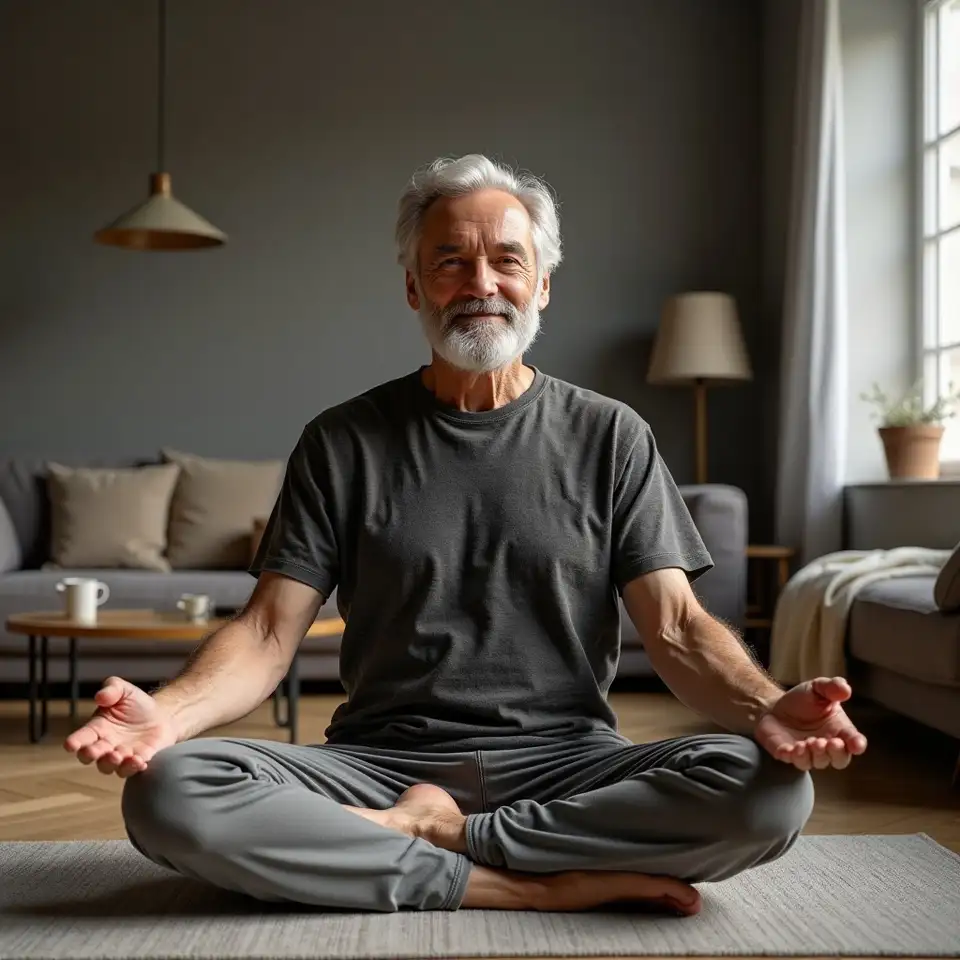
Jonas Lie, Flexibility Editor
Mobility flows and recovery
Yoga skeptic who learned the hard way that flexibility isn’t optional. Brings accessible, jargon-free mobility flows.

Ingrid Foss, Routine Tester
Testing for practicality
Mother of two, home workout realist. Compiles the routines that actually fit around family chaos—no props required.

Petter Sunde, Senior Adviser
Adaptation and habit advice
Former team athlete who prefers a slow pace now. Advises on adapting routines for busy or older adults.

Sigrid Dahl, Content Editor
Research and editorial review
Health journalist, focus on science not hype. Reviews all plans for evidence and clarity, keeps the marketing in check.